

Isn’t it curious how the most challenging boss encounters can hinge on the leadership of one player? As you stand at the helm of your raid team in World of Warcraft, you’re not just a player; you’re a tactician, a motivator, and the linchpin of success. You’ve got to navigate through the mechanics of bosses that demand precision and the dynamics of a team that requires unity. The ability to analyze strategies, communicate effectively, and inspire your raid group is what separates a good leader from a great one. In your hands lies the power to mold a group of individuals into an unstoppable force, but it’s not just about wielding authority—it’s about cultivating trust and fostering an environment where every member feels valued and heard. Stick with this, and you’ll uncover the secrets to leading not just a raid, but a symphony of players harmonized in their quest for glory. Let’s explore the pillars of raid leading that will cement your legacy in the annals of Azeroth.
Mastering Raid Mechanics
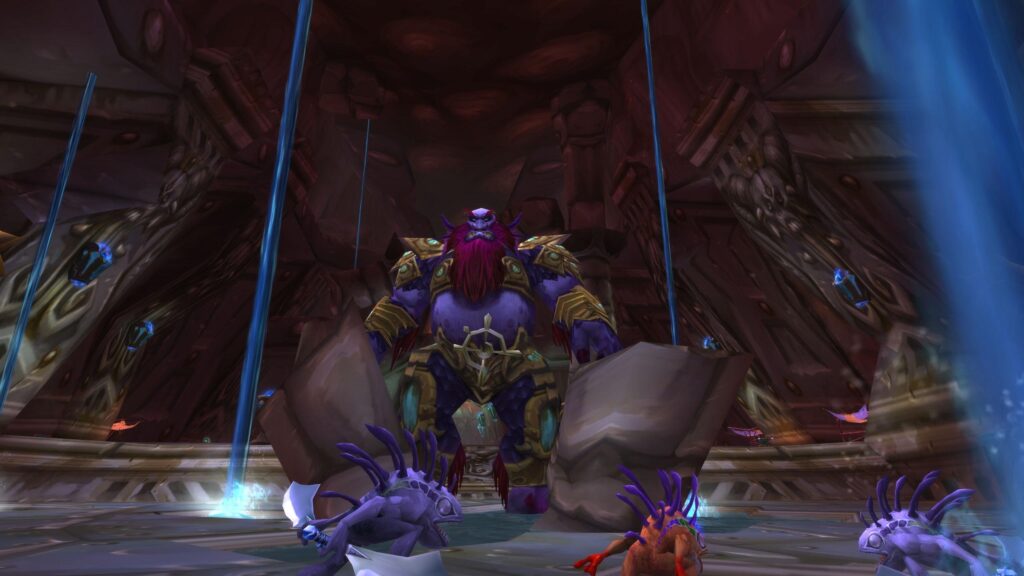
To master raid mechanics in World of Warcraft, you’ll need to dive into the nitty-gritty of each encounter, understanding every phase and ability you’ll face. As a raid leader, it’s not just about knowing what to do, but also orchestrating the raid composition to handle the challenges ahead. You’ve got to match each player’s strengths with the demands of the encounter, whether it’s placing your most adept healers where they’ll be most effective or assigning DPS tasks based on their ability to handle mechanics while maintaining output.
Communication is your bread and butter. You’ll need to articulate strategies clearly, breaking down each stage of the fight. This means dissecting boss abilities, explaining when and where to move, and ensuring everyone knows their role. As phases shift, you’re the one calling out adaptations on the fly, in tune with the rhythm of the battle.
Effective Team Communication
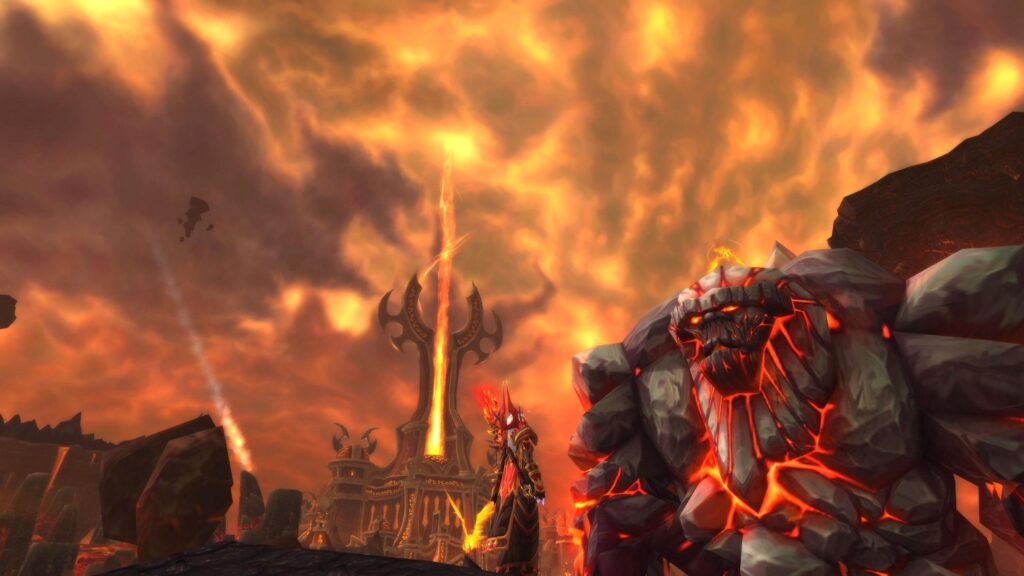
Effective team communication is crucial; without it, even the most skilled raiders can’t coordinate their efforts effectively. You’re the raid leader, and it’s your job to ensure everyone’s on the same page. When you speak, your team must know that every word counts – clarity is your best friend. You’ve got a pivotal role, so here’s how you can make every message resonate:
- Listen actively and respond with empathy. Your team will feel valued and understood.
- Be concise yet detailed. Cut the fluff, but provide enough information so no one’s left wondering what to do.
- Use positive reinforcement. Celebrate the wins, big or small, to foster a sense of achievement and camaraderie.
- Address issues promptly and constructively. Don’t let problems fester; tackle them head-on with solutions in mind.
Constructive Feedback Strategies
When providing feedback, it’s crucial to focus on behavior and outcomes rather than personal attributes to foster a constructive environment for improvement. Remember, you’re aiming to build up, not tear down. It’s the actions, not the person, that need adjusting. Say a team member repeatedly misses a crucial interrupt; frame your feedback to address the missed action and its impact on the raid, rather than labeling the player as inattentive.
Be specific with your critique. Instead of saying “you’re doing it wrong,” pinpoint exactly what went awry. For instance, “You used Taunt too early, causing the boss to become immune at a critical moment.” This approach clarifies the issue and opens up a path for correction.
You’ll want to balance criticism with encouragement. Highlight what’s going well. A simple “Great job on positioning this time!” can boost morale and foster a positive atmosphere. This balance helps ensure that team members are receptive to feedback and understand that their efforts are appreciated even when there’s room for improvement.
Lastly, encourage a two-way conversation. Ask for their perspective. They might have insights into why certain problems are occurring and suggestions for solutions you hadn’t considered. This collaborative approach not only solves problems more effectively but also strengthens the team’s cohesion.
Essential Raiding Addons
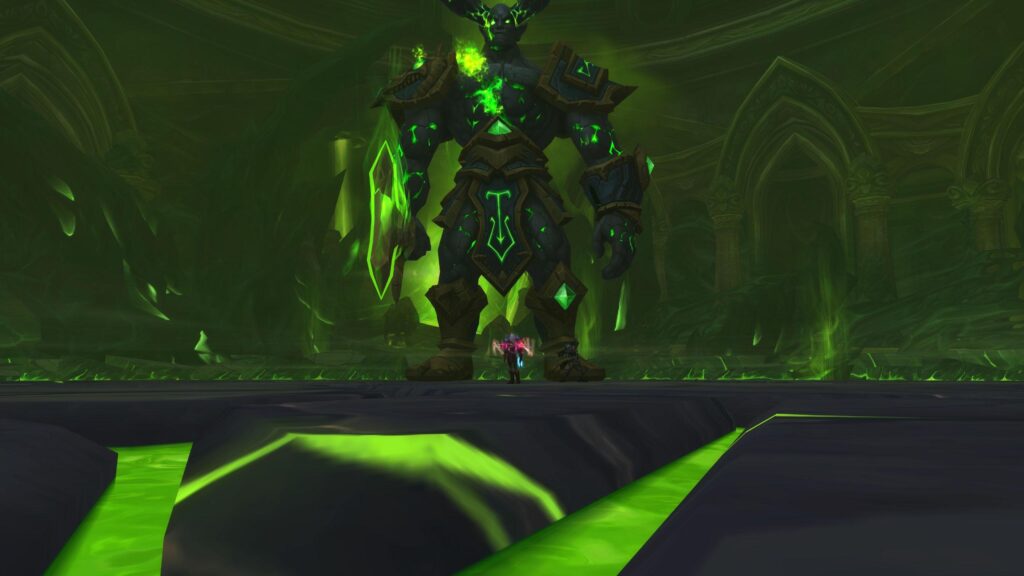
While constructive feedback sharpens a raider’s performance, essential addons like DBM, BigWigs, and WeakAuras can significantly streamline the execution of raid mechanics. These tools act as your sixth sense, alerting you to dangers and optimizing your responses, so that you’re always a step ahead of the game.
To evoke the sense of support and empowerment these addons provide, consider how they impact your raiding experience:
- Deadly Boss Mods (DBM) or BigWigs: Feel the rush of confidence as timers count down, preparing you for each boss move. It’s like having a battle-hardened veteran whispering in your ear, “Get ready… now move!”
- WeakAuras: Experience the satisfaction of customization that can track anything from buffs to cooldowns. It’s like your personal combat butler, catering to your every need.
- Details! Damage Meter: Revel in the knowledge of your contribution to the fight, with detailed statistics that push you to strive for your best.
- Exorsus Raid Tools: Feel the camaraderie build as this addon simplifies raid organization, making every member feel like a cog in a well-oiled machine.
Performance Data Analysis
Diving into performance data analysis, you’ll uncover invaluable insights that can elevate your raid team’s efficiency and success. By examining logs from WarcraftLogs, you’re not just looking at numbers; you’re dissecting the ebb and flow of each attempt. It’s about pinpointing where things went right and where they didn’t. You’ll see who’s nailing their rotations and who might need a nudge in the right direction.
With tools like WoW Analyzer, you can dive even deeper. It’s like having a personal coach for each member of your raid. You’ll get breakdowns of individual performances, highlighting both strengths and potential areas for improvement. This isn’t about calling people out—it’s about building them up.
Frequently Asked Questions
How Do I Handle Loot Distribution Fairly and Efficiently in a Raid Setting?
You’ll want to establish clear loot rules before starting, perhaps using a DKP system or loot council to ensure fairness. Communicate these rules to everyone to avoid any misunderstandings during distribution.
What Are the Best Practices for Recruiting and Maintaining a Balanced and Committed Raid Roster?
Ironically, you’re not assembling a team for a heist, but you need loyalty just as much. Vet for commitment, balance skills, and ensure everyone’s on board for the long haul.
How Should a Raid Leader Deal With Conflicts Between Team Members That Arise During a Raid?
When conflicts arise, you’ve got to stay calm, address the issue promptly, and mediate fairly. It’s essential to listen to both sides and find a solution that keeps the team focused and cooperative.
What Strategies Can Be Employed to Keep Morale High During a Progression Slump or After Repeated Wipes?
To keep morale high during tough times, celebrate small victories, encourage breaks, and maintain a positive tone. You’ll find perseverance easier when the atmosphere’s light and everyone’s reminded of the end goal.
How Can a Raid Leader Effectively Manage Their Own Stress and Responsibilities During High-Stakes Encounters?
You’ll manage stress by prioritizing self-care, delegating tasks, and taking breaks. It’s crucial to keep a level head, so breathe deeply and focus on what’s controllable, letting go of what isn’t.
Feel free to explore my blog!