
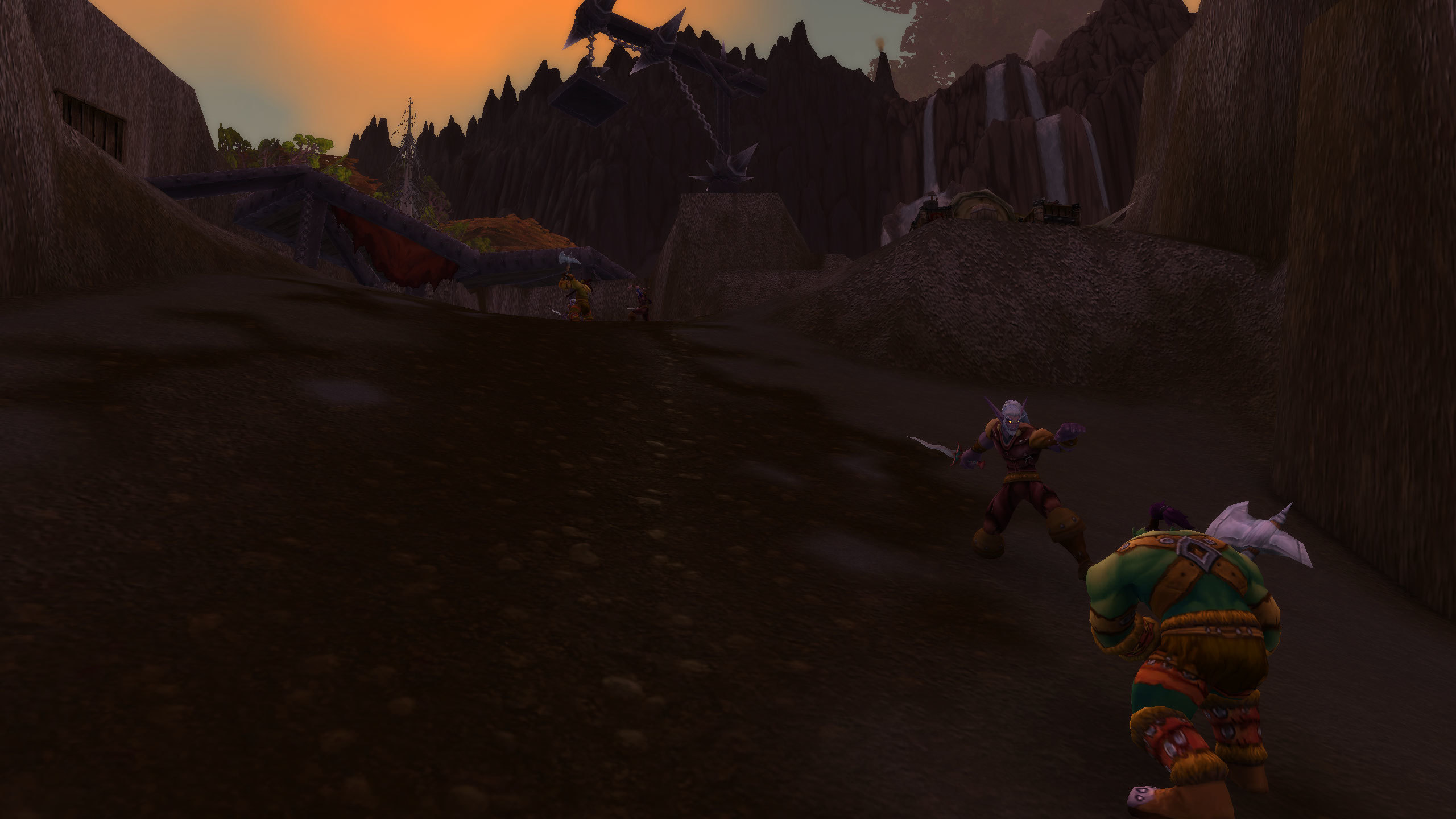
As burst damage continues to rise across PvP environments, defensive play has shifted from a reactive safety net into a proactive core skill. Matches are increasingly decided by how well players anticipate danger rather than how quickly they respond after damage lands.
This escalation turns survival into a test of planning, restraint, and awareness.
Why Burst Pressure Changes PvP Fundamentals
Higher burst compresses decision windows. Players have less time to react once offensive cooldowns are committed.
This compression rewards those who prepare defensives before damage peaks rather than scrambling afterward.
Defensive Play as a Proactive Discipline
Modern PvP favors pre-emptive mitigation. Defensives used early often prevent lethal chains entirely.
Late reactions rarely save players once burst sequences fully connect.
Defensive Decisions That Define High-Level Play
Strong defensive play revolves around anticipation.
- Pre-using defensives before enemy cooldown alignment
- Trading mitigation instead of overlapping panic buttons
- Positioning to reduce incoming pressure
- Saving escapes for guaranteed kill attempts
These habits turn lethal setups into manageable exchanges.
Cooldown Trading and Match Tempo
Defensive discipline slows enemy momentum. Proper trades deny kills and force opponents into extended games.
This control over tempo often dictates match outcome.
Psychological Impact of Strong Defense
Players who survive burst consistently create doubt. Opponents hesitate, delay setups, or overcommit resources.
That hesitation becomes an advantage in itself.
Conclusion
As burst damage increases, defensive play becomes a defining PvP skill. By rewarding foresight and restraint, modern PvP elevates survival into a strategic layer that often determines victory before damage even lands.